“Essex Coffee” search results (170)

Ethiopian coffee
Ethiopia is the hometown of Arabica coffee, and it is in the forests of Kaffa that you can see wild Arabica coffee. In Ethiopian, coffee is called "Bun" or "Buna". Coffee beans (coffee bean) may be translated from "Kaffa Bun". Arabica coffee was discovered early in the Harald area.
2014-06-23 Coffee knowledge Ethiopia Coffee Encyclopedia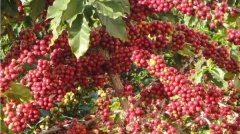
Brief introduction of Ethiopian Coffee
Ethiopia is the hometown of Arabica coffee, and it is in the forests of Kaffa that you can see wild Arabica coffee. In Ethiopian, coffee is called "Bun" or "Buna". Coffee beans (coffee bean) may be translated from "Kaffa Bun".
2014-06-14 Coffee knowledge Ethiopia
The grade flavor of Ethiopian coffee
Essel coffee is processed by two processing methods: sun and water washing. The flavor of coffee processed by different processing methods is very different. Generally speaking, the alcohol thickness and soil taste of washed Sidamo, Yirgacheffe and Limmu coffee are slightly lower, and the taste of sun-processed coffee is more wild. But Ethiopian coffee may taste different from batch to batch, which requires more cup tests before it can be found.
2016-06-01 Ethiopia coffee grade flavor
Ethiopian Coffee Manor Flavor description Grinding characteristics introduction to the taste price of varieties in producing areas
Ethiopian coffee beans grow in close to the natural environment, after years of planting under the same growth conditions, Ethiopian coffee beans have gradually adapted to the environment here. More than 60% of coffee beans are grown in forests or semi-forests. Large-scale coffee-growing villages account for about 35% of the country's total coffee production. Many of these are used.
2016-10-10 Ethiopia Coffee Manor Flavor description Grinding characteristics varieties producing areas
Introduction of individual Coffee with characteristic Flavor and Taste in Ethiopian Coffee Manor
In the field of boutique coffee, there are also five other small places of coffee, namely Lim, Gemma, Le Campdi, Becca and Limmu, Djimmah, Lekempti, Bebeka and Wolega. The most common is Essesidamo or Harald coffee (Either Sidamo or Harrar coffee). Harald Coffee (HarrarCoffee) is made in Essex.
2016-09-20 Ethiopia coffee manors producing areas varieties characteristics flavor taste individual products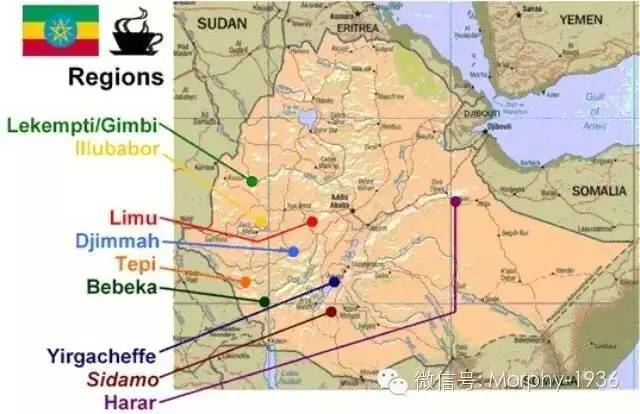
Introduction of boutique coffee beans Ethiopian coffee
Ethiopia is the hometown of Arabica coffee, and it is in the forests of Kaffa that you can see wild Arabica coffee. In Ethiopian, coffee is called Bun or Buna, and coffee beans (coffeebean) may be translated from Kaffa Bun. Arabica coffee was discovered early in the Harald area, probably from Kafa.
2015-07-09 Boutique coffee beans Ethiopia coffee introduction
Flavor characteristics of Ethiopian Fine Coffee Ethiopian Coffee
Ethiopia is the hometown of Arabica coffee, and it is in the forests of Kaffa that you can see wild Arabica coffee. In Ethiopian, coffee is called Bun or Buna, and coffee beans (coffeebean) may be translated from Kaffa Bun. Arabica coffee was discovered early in the Harald area, probably from Kafa.
2016-03-18 Ethiopia boutique coffee flavor characteristics
The champion talks about the rise of the third wave of boutique coffee in the coffee roasting competition
Looking back, I have been in the industry for more than ten years, watching the rise of the third wave of boutique coffee, once, I was also obsessed with re-baking. As a coffee roaster, it is necessary to constantly learn and accept new things. however, I am completely fascinated by the aesthetics of boutique coffee. Daily baking, cup testing and reflection have become a compulsory course. What a boring job it is in the eyes of others, but yes
2015-09-02 Champion coffee roasting competition third boutique tide rise turn back do the math
Ethiopian Arabica coffee with rich body Original growing environment Fine coffee
The highest grades of washed Ethiopian coffee Yirgacheffe G1 G2 Sidamo are Grade 2 and Grade 3 (G2, G3), and the coffee processed in the sun in eastern Ethiopia is mostly Grade 4 or Grade 5 (G4, G5). In many cases, fourth-grade coffee is labeled as five-grade in order to reduce taxes. Now the classification is not very uniform, some chaos, because there are sun processing
2016-08-19 thickness richness ethiopia rabbi coffee origin flavor cultivation environment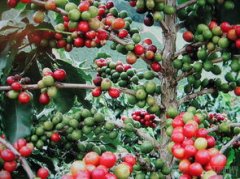
Nekisse coffee beans from Sidama
Nekisse is the third 90 + bean found by Ninety Plus after Aricha and Beloya in 2010. And got the highest score of 96 on Coffee Review for that year (the following materials are mostly taken from the website of Ninety Plus). Nekisse's raw bean smell is so special that when you open the bag, you will be shocked by its strong wine smell. As for the taste, maybe you need a
2015-03-09 From Cedar Sidama Nekisse coffee beans Nekis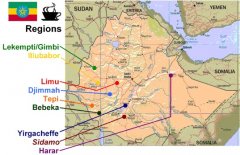
Introduction to Ethiopian Coffee, the hometown of Arabica Coffee
Ethiopia is the hometown of Arabica coffee, and it is in the forests of Kaffa that you can see wild Arabica coffee. In Ethiopian, coffee is called Bun or Buna, and coffee beans (coffeebean) may be translated from Kaffa Bun. Arabica coffee was discovered early in the Harald area, probably from Kafa.
2015-01-09 Rabbi coffee hometown Ethiopia introduction rabbi
Introduction to the Flavor description characteristics of Ethiopian Coffee Sidamo Chiso Coffee
Due to the large difference between latitude span and altitude, Ethiopia is located in the tropics, but the temperature is uneven in different places. The heavy rainy season is from June to September, the dry season is from October to January, and the light rainy season is from February to May. Due to uneven rainfall in different seasons and regions, local drought is easy to occur. The temperature ranges from 9.7 ℃ to 25.5 ℃. The annual average temperature was 16 ℃ in December 1994, and the Ethiopian Union was formulated.
2016-09-27 Ethiopia Dharma Shaquiso Coffee Flavor description characteristics Grinding introduction
Ethiopian coffee introduction Ethiopian coffee beans exquisite coffee beans and introduction
Ethiopia is the hometown of Arabica coffee, and it is in the forests of Kaffa that you can see wild Arabica coffee. In Ethiopian, coffee is called Bun or Buna, and coffee beans (coffee bean) may be translated from Kaffa Bun. Arabica coffee was discovered early in the Harald area.
2016-04-30 Ethiopia coffee introduction coffee beans exquisite
A brief introduction to boutique coffee and Ethiopian coffee
Ethiopia is the hometown of Arabica coffee, and it is in the forests of Kaffa that you can see wild Arabica coffee. In Ethiopian, coffee is called Bun or Buna, and coffee beans (coffee bean) may be translated from Kaffa Bun. Arabica coffee was discovered early in the Harar area, probably from the card.
2014-10-15 Coffee knowledge boutique coffee Ethiopian coffee
Nekisse Coffee Bean producing area: Cedama Sidama
Nekisse is the third 90 + bean found by Ninety Plus after Aricha and Beloya in 2010. And got the highest score of 96 on Coffee Review for that year (the following materials are mostly taken from the website of Ninety Plus). Nekisse's raw bean smell is so special that when you open the bag, you will be shocked by its strong wine smell. As for the taste, maybe you need a
2015-01-27 Nekisse coffee beans producing areas Cedar Sidama Nekis
Nekisse Coffee Bean producing area: Cedama Sidama
Nekisse is the third 90 + bean found by Ninety Plus after Aricha and Beloya in 2010. And got the highest score of 96 on Coffee Review for that year (the following materials are mostly taken from the website of Ninety Plus). Nekisse's raw bean smell is so special that when you open the bag, you will be shocked by its strong wine smell. As for the taste, maybe you need a
2015-04-11 Nekisse coffee beans producing areas Cedar Sidama Nekis
Producing area: Cedama Sidama Nekisse coffee beans
Nekisse is the third 90 + bean found by Ninety Plus after Aricha and Beloya in 2010. And got the highest score of 96 on Coffee Review for that year (the following materials are mostly taken from the website of Ninety Plus). Nekisse's raw bean smell is so special that when you open the bag, you will be shocked by its strong wine smell. As for the taste, maybe you need a
2015-04-14 Production area Cedar Sidama Nekisse Coffee beans Nekis
Ethiopian Coffee introduction Coffee beans Coffee processing Coffee Flavor Ethiopian Coffee details
Ethiopia is the hometown of Arabica coffee, and it is in the forests of Kaffa that you can see wild Arabica coffee. In Ethiopian, coffee is called Bun or Buna, and coffee beans (coffeebean) may be translated from Kaffa Bun. Arabica coffee was discovered early in the Harald area, probably from Kafa.
2016-03-14 Ethiopia coffee introduction coffee beans processing flavor
Ethiopian boutique coffee introduces boutique coffee beans characteristics of Ethiopian boutique coffee
Ethiopia is the hometown of Arabica coffee, and it is in the forests of Kaffa that you can see wild Arabica coffee. In Ethiopian, coffee is called Bun or Buna, and coffee beans (coffeebean) may be translated from Kaffa Bun. Arabica coffee was discovered early in the Harald area, probably from Kafa.
2016-03-18 Ethiopia boutique coffee introduction coffee beans characteristics
An introduction to the origin of coffee-- characteristics of Ethiopian coffee taste
Ethiopia is the hometown of Arabica coffee, and it is in the forests of Kaffa that you can see wild Arabica coffee. In Ethiopian, coffee is called Bun or Buna, and coffee beans (coffeebean) may be translated from Kaffa Bun. Arabica coffee was discovered early in the Harald area, probably from Kafa.
2016-03-22 Coffee origin introduction Ethiopia characteristics taste